
Can You Really Trust Blogging Experts?
How Did Everyone Become a “Blogging Expert”?
Remember when blogging felt personal, even a little raw? When people wrote because they had something real to say-not just something to sell? These days, the internet is packed with “experts” promising fast growth, passive income, and traffic on autopilot. But how do you know who’s genuine and who’s just chasing your clicks?

Confidence & Competence
Anyone can build a polished site and call themselves a guru. A few filters, a shiny income claim, and suddenly they’re teaching others how to succeed – often without proving they’ve done it themselves. But flashy dashboards and persuasive sales pages aren’t the same as earned authority.
5 Warning Signs You’re Following the Wrong Advice

1. Big Promises, No Proof
If someone claims they made six figures blogging last month – but won’t show how – that’s not strategy. That’s storytelling. Vague wins with no receipts? Walk away.
2. The Endless Funnel
Free checklist → $47 ebook → $997 course → $2,000 mastermind. If you’re constantly told the real secrets are in the next product, that’s not mentorship. That’s manipulation.
3. Buzzwords Without Depth
“AI-powered success system.” “Algorithm-proof SEO.” If it sounds impressive but makes no sense, it’s probably fluff. Real advice breaks things down clearly and openly.
4. Closed Doors and Quiet Comments
Can you ask them questions? Do they welcome critique? Or is everything behind a paywall or carefully curated wall of testimonials? Transparency matters.
5. All Style, No Strategy
A feed full of selfies, palm trees, and inspirational quotes might be good for Instagram. But where’s the actionable insight? Where’s the teaching? If it's all vibes and no value, you’re not learning — you're being marketed to.
What Credible Blogging Experts Actually Do

They Show Their Work
Not just earnings, but breakdowns. Not just what worked, but what failed. They’re willing to share the whole journey, not just the highlight reel.
They Prioritize E-E-A-T
That’s Google-speak for Experience, Expertise, Authoritativeness, and Trustworthiness. It’s not just SEO jargon – it’s a framework that rewards content built on real knowledge and long-term value. Trustworthy bloggers know this and build accordingly.
How to Get Advice Like a Pro (With a Little Help from AI)
Spot Freshness with AI Tools Like AI Content Aggregator
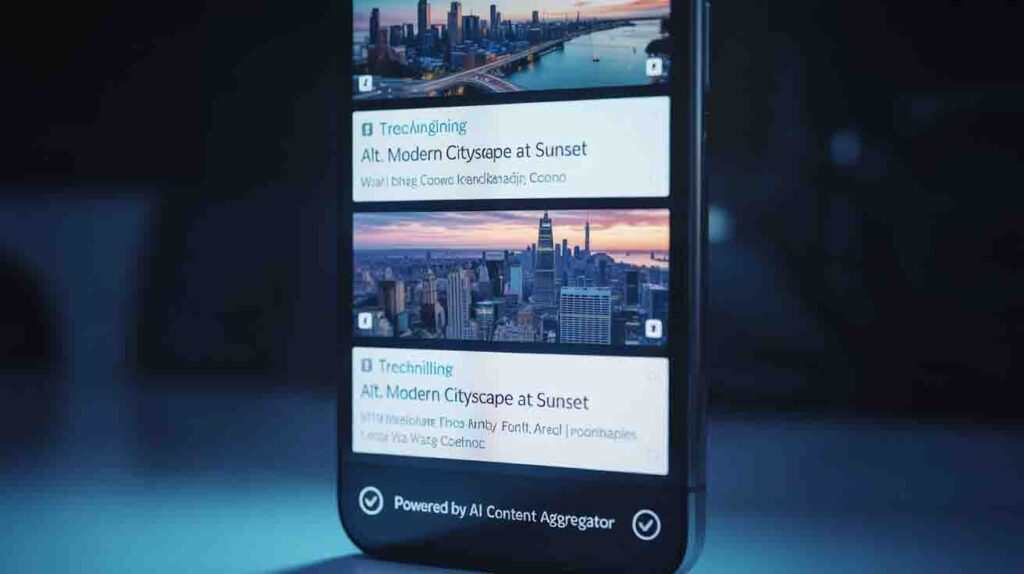
Here’s the truth: expert advice ages fast in this industry. That’s where plugins like AI Content Aggregator come in. This WordPress tool doesn’t just pull in RSS feeds – it processes them with Gemini AI to summarize key ideas, add #hashtags, attach keyword-optimized images (with alt text), and cite sources in real time.
It’s not just a way to keep your blog fresh – it’s a way to see who else is staying current. If someone’s blog hasn’t referenced a trend or tool in months, what does that tell you?
Use Freshness, Citations & Structure to Gauge Credibility
Do they cite their sources? Do they link out to reputable publications? Are they sharing insights that react to what’s happening now – not just recycling evergreen basics? These are signals of real expertise. And yes, tech tools can help you see what the human eye sometimes misses.
What This All Comes Down To
Following advice is easy. Thinking critically about why you’re following it – that’s where the power is.
Start asking:
- Who profits from this advice?
- Is this teaching me how to think, or just how to spend?
- Does this person still blog? Still test? Still evolve?
The best blogging mentors don’t just tell you what worked for them – they help you understand what could work for you.
🛠 Products / Tools / Resources
AI Content Aggregator – WordPress plugin that auto-summarizes RSS feeds using Gemini AI, adds alt-texted images, hashtags, and citations to keep content fresh and authoritative.
Feedly Pro – Great for discovering timely content from trusted sources.
Wayback Machine – Useful for tracking if a blogger's site strategy or transparency has changed.
Google’s E-E-A-T Guidelines – A must-read for understanding what Google wants in authoritative content.
Ahrefs – For checking if the “experts” you follow actually rank for anything meaningful.
✅ SEO FAQ Section
❓ How do I know if a blogging expert is trustworthy?
Look for transparency, not just testimonials. Trustworthy experts share detailed income breakdowns, cite sources, engage publicly, and don’t hide their best advice behind endless paywalls. Tools like AI Content Aggregator can also help you detect whether their content is fresh, cited, and algorithmically relevant.
❓ Are most blogging gurus just marketers?
Many are. The line between blogger and marketer has blurred. Some so-called experts build entire businesses on selling advice rather than practicing it. Always ask: do they still blog actively and rank for their own advice?
❓ What are the signs of bad blogging advice?
Red flags include vague success stories, recycled content, no citations, reliance on fear-based marketing, and a sales funnel that never ends. If you can't verify their results or credentials, be cautious.
❓ Can AI tools really help me assess expert content?
Absolutely. Tools like AI Content Aggregator use Gemini AI to analyze and summarize RSS feeds, add citations, generate fresh hashtags, and even image alt text. This not only improves your blog – it also helps you vet the freshness and credibility of others’ content.
❓ What’s more important – experience or popularity in a blogging expert?
Experience. Popularity is often a product of branding, not results. Experienced bloggers leave digital footprints: successful case studies, real rankings, transparent reports. Popularity without proof isn’t enough.
When evaluating blogging experts, check if they include proper FTC disclosure trust indicators that show transparency about their paid partnerships and affiliations.