

Why Some Bloggers Skyrocket and Others Quit
Why Some Blogs Take Off – and Others Vanish Quietly
You’ve probably seen it: someone launches a blog and within months, they’re everywhere – ranking, getting comments, maybe even making money.
Then there’s the other story.
Dozens of blog posts. Crickets. A slow fade into digital obscurity.
It’s not just effort that separates these two outcomes – it’s approach. And the gap between struggle and success is smaller (and smarter) than most new bloggers realize.
Let’s Talk About the Real Reasons Bloggers Win – Or Walk Away

1. Posting More & Growing Faster
A lot of new bloggers believe if they just “keep publishing,” things will click.
But the truth?
Unfocused content gets ignored – by Google and by people.
Successful bloggers work from a strategy:
- They write around topics, not one-off keywords.
- They build internal link systems to boost authority.
- They use tools like AI Content Aggregator (yes, the one we recommend on BloggingGossip.com) to map content the way search engines prefer: clustered, connected, and intent-driven.
More content isn’t the answer. Smarter content is.
2. Winners Stick to a Schedule – Even When No One’s Watching
The difference between hobbyists and high-performers?
Consistency.
- Unsuccessful bloggers post in bursts… then disappear.
- Successful bloggers commit to a rhythm – weekly, biweekly, whatever’s sustainable – and they keep showing up.
You don’t need to go viral. You need to go reliable.

3. The Temptation to Chase Everything at Once
Here’s what burns out most new bloggers:
“I should start a podcast.”
“I need to learn TikTok.”
“What if I offer coaching?”
“Wait, should I launch a course?”
No. Not yet.
Successful bloggers pick a lane – and stay in it long enough to compound.
They don’t do all the things.
They do the right thing – repeatedly.
4. Your Blog Is for People – Not Just Search Engines
Some bloggers write for Google and forget the reader. Others write for emotion but forget SEO entirely.
The ones who win? They bridge both.
They write for a specific person – with a problem, a question, or a goal — and structure it so Google can’t ignore it either.
Why So Many Blogs Die Early (But Yours Doesn’t Have To)
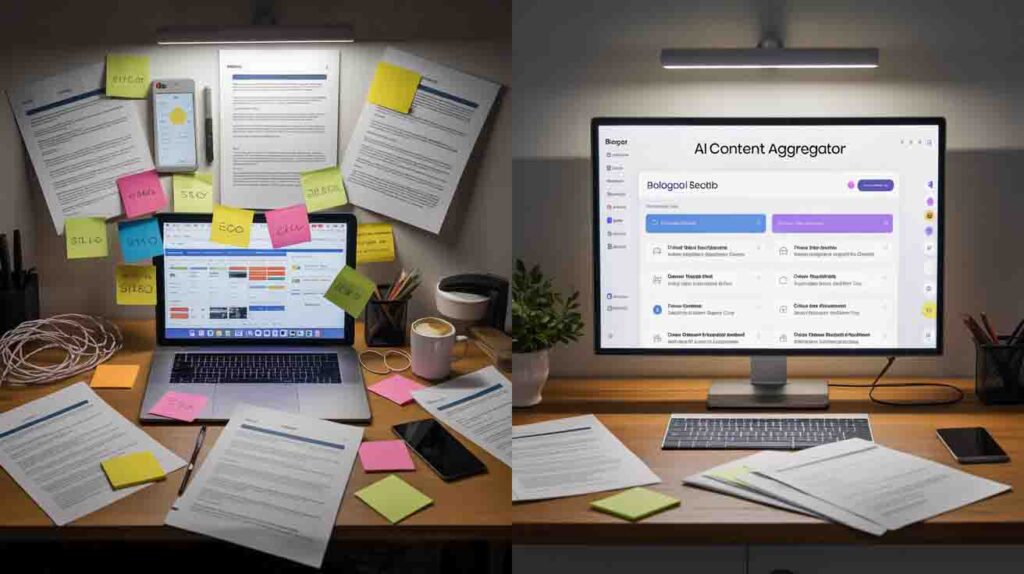
1. False Promises and Fast-Track Fantasies
“Make money in 30 days.”
“Just post and they’ll come.”
“SEO is dead – Instagram is the answer.”
It’s all noise.
Real blogging growth looks like this: strategy → execution → refinement → results.
At BloggingGossip.com, we don’t sell illusions.
We teach the long game. And we give you tools to win it.
2. Too Much Input, Not Enough Output
New bloggers binge content – but rarely apply it.
They buy courses. Watch YouTube. Read 47 blog posts on blog post writing.
And then freeze.
Tools like AI Content Aggregator break that loop.
You don’t have to guess what to write next.
You just follow the data – and publish with clarity.
3. The Fear That No One’s Listening
No likes. No shares. No comments. No feedback.
That’s the early game – and it hurts.
But the successful bloggers? They expect obscurity at first.
They don’t panic. They publish anyway.
They trust that showing up is the algorithm.
Want to Succeed? Build Blogs Like This
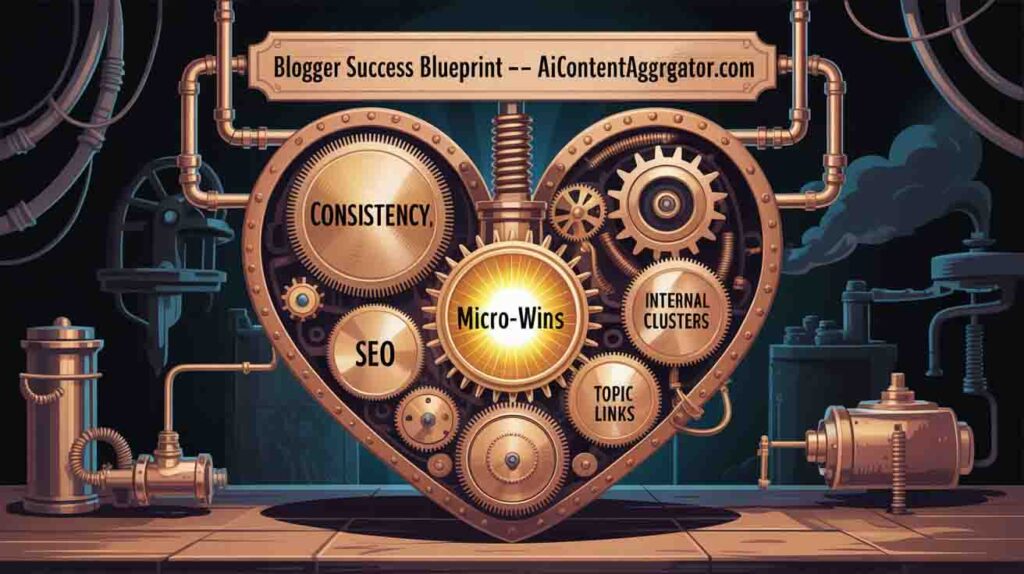
Use What’s Working – And Ignore the Rest
You don’t need 27 plugins.
You need one that helps you focus.
AI Content Aggregator (our in-house go-to) helps new bloggers:
- Find semantically related topics
- Cluster content by search intent
- Track performance without analytics overwhelm
It’s not magic. It’s momentum — on purpose.
Go Deep, Not Just Wide
Write five posts around one idea.
- Link them.
- Anchor them.
- Own the conversation.
Google will see you as an authority. Readers will stay longer.
And you’ll stop spinning your wheels.
Let Wins Stack – Slowly, Then Suddenly
You don’t need a viral hit.
You need:
- A single post that ranks
- A few subscribers who stick
- A blog structure that scales
Stack those. Quietly. Repeatedly.
That’s how blogs grow.
🔧 Products / Tools / Resources
🔍 AI Content Aggregator (WordPress Plugin) – Plan content clusters, optimize your posts, and stay on-track without the overwhelm. Built for bloggers who want traction without tech headaches.
🧭 Google Search Console – See what queries are driving impressions (and turn them into posts).
🛠️ RankMath – Fine-tune on-page SEO basics and get visibility alerts.
💡 Notion – Map your editorial schedule to maintain consistency.
📘 BloggingGossip.com – Our free guides, case studies, and new blogger insights.
📜 FAQ – Blogger Success vs Failure Insights
Q: What separates successful bloggers from those who quit?
A: Successful bloggers follow a focused, consistent content strategy aligned with search intent. They use tools like AI Content Aggregator to plan semantically connected posts, track progress, and stay accountable. Most failed blogs suffer from inconsistent publishing, lack of SEO, and unrealistic expectations.
Q: How long does it take to see real success as a blogger?
A: It varies, but most bloggers start seeing meaningful traction between 6–12 months if they publish regularly, follow an SEO-first approach, and build content around clusters. Fast growth is rare – consistent, strategic execution wins over time.
Q: What’s the #1 reason most new bloggers fail?
A: The biggest reason is burnout caused by misaligned expectations. Many bloggers assume instant traffic and income. When that doesn’t happen, they stop. Successful bloggers treat blogging as a long game – showing up even when results are delayed.
Q: What tools help bloggers avoid failure early on?
A: At BloggingGossip.com, we recommend the AI Content Aggregator plugin for WordPress. It helps bloggers stay on-topic, identify what to write next, and build powerful SEO structures through automated internal linking and trend-based topic suggestions.
Q: Can I recover a blog that’s already struggling?
A: Absolutely. Refocus your niche, audit and improve past content, and build around high-intent topic clusters. Use your blog’s data (via GSC or AI Content Aggregator) to rebuild strategically – even abandoned blogs can bounce back with the right system.
Successful ftc disclosure bloggers understand that transparency builds trust with their audience, while those who ignore compliance often face credibility issues.